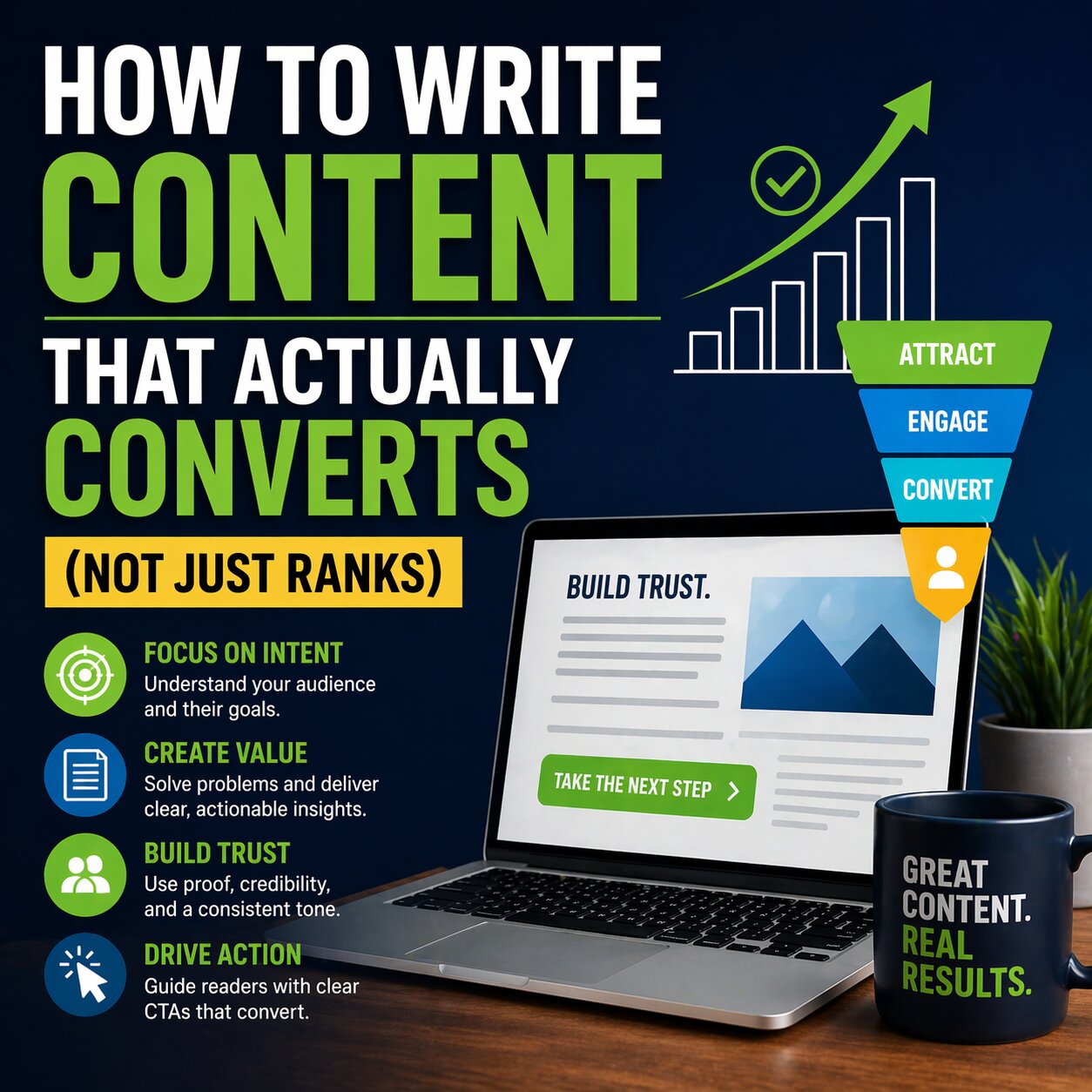
Ranking on search engines is important, but it is only half the battle. Many businesses invest heavily in SEO, only to find that their traffic does not turn into leads or sales. That is where the real challenge lies. Knowing how to write content that actually converts (not just ranks) is what separates high-performing websites from those that simply attract visitors without results.
Understanding how to write content that actually converts requires a shift in mindset. It is no longer just about keywords and visibility. It is about guiding the reader, building trust, and encouraging action. When done correctly, your content becomes a powerful tool that drives measurable business outcomes.
Start with intent, not just keywords

One of the biggest mistakes businesses make is focusing only on keywords. While keywords help you rank, they do not guarantee conversions. To truly understand how to write content that actually converts, you need to focus on user intent.
Ask yourself why someone is searching for a specific term. Are they looking for information, comparing options, or ready to make a decision? Your content should match that intent at every stage of the journey. If your page ranks but does not align with what the reader needs, they will leave without taking action.
By aligning your content with intent, you create a more meaningful experience. Readers feel understood, which increases trust and keeps them engaged for longer.
Structure your content for clarity and flow

Another key element in how to write content that actually converts is structure. Even the best ideas can fail if they are presented poorly. Clear, well-organised content makes it easier for readers to follow your message and take the next step.
Start with a strong introduction that addresses the reader’s problem. Then guide them through your content with logical sections that build on each other. Each paragraph should serve a purpose, moving the reader closer to a decision.
Avoid overwhelming your audience with too much information at once. Instead, break your content into manageable sections that are easy to scan. This improves readability and keeps readers engaged from start to finish.
Focus on value and problem-solving
Content that converts is content that solves problems. When learning how to write content that actually converts, it is essential to focus on delivering real value.
Your readers are not just looking for information. They are looking for solutions. Address their pain points directly and provide clear, actionable insights that help them move forward. The more helpful your content is, the more likely they are to trust your brand.
This approach also positions your business as an authority. When readers see that you understand their challenges and can offer solutions, they are more likely to choose your services.
Key elements that drive conversions
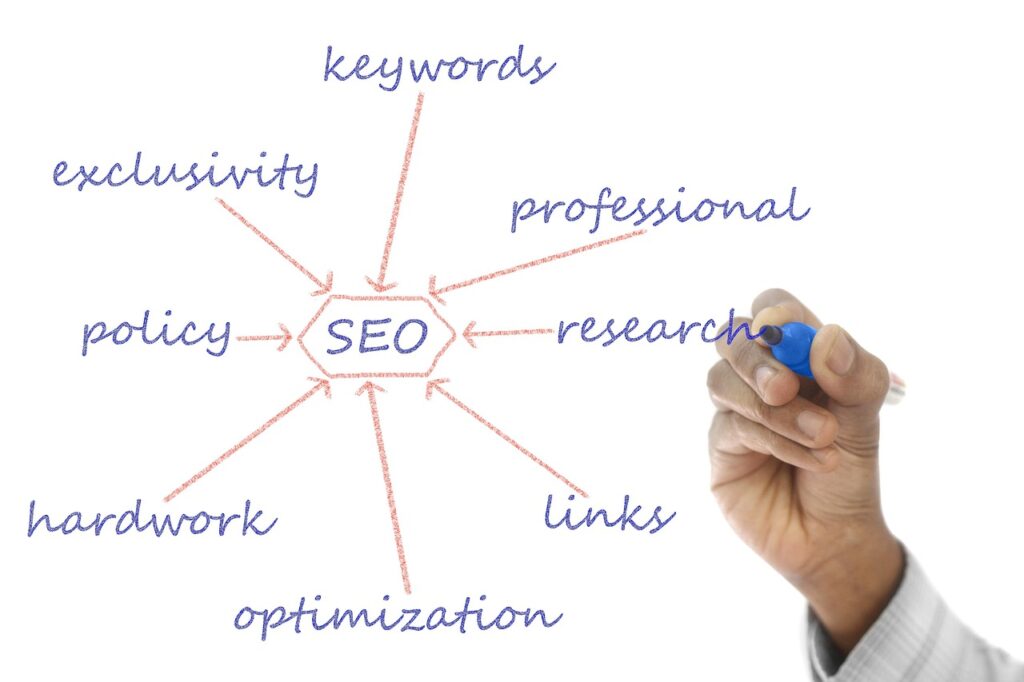
To master how to write content that actually converts, you need to include specific elements that encourage action:
- Clear and compelling calls to action
- Strong headlines that capture attention
- Benefits-focused messaging rather than features
- Social proof such as testimonials or case studies
- A consistent and trustworthy tone of voice
These elements work together to guide the reader through the decision-making process. Without them, even well-written content may fail to convert.
Build trust through tone and authenticity

Trust plays a crucial role in how to write content that actually converts. Readers are more likely to take action when they feel confident in your brand.
Use a tone that is professional yet approachable. Avoid overly complex language or jargon that may confuse your audience. Instead, focus on clear and honest communication that reflects your brand’s values.
Authenticity also matters. Be transparent about what you offer and how you can help. This builds credibility and makes it easier for readers to connect with your message.
Guide the reader towards action
Finally, conversion-focused content should always guide the reader towards a specific action. Whether it is contacting your team, signing up for a service, or exploring your offerings, your content should make the next step clear and easy.
Do not assume that readers will know what to do. Use clear calls to action that tell them exactly what to expect. Position these calls strategically throughout your content, not just at the end.
When you understand how to write content that actually converts (not just ranks), you transform your website into a powerful business tool. It becomes more than just a source of traffic. It becomes a system that drives growth, builds relationships, and delivers real results.