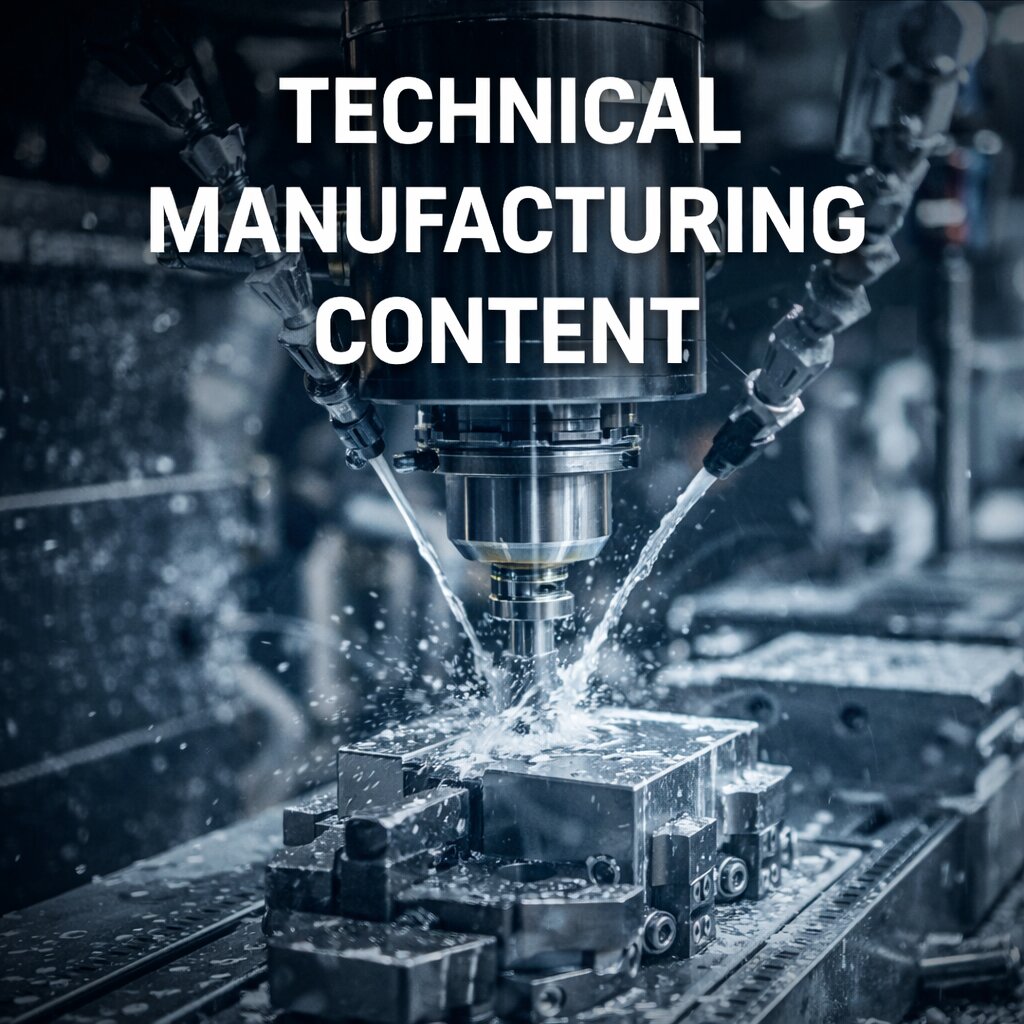
In the world of industrial production, clarity is just as important as precision. Technical manufacturing content plays a critical role in bridging the gap between complex engineering processes and the audiences who need to understand them. Whether it’s for clients, stakeholders, or internal teams, the right content ensures that technical information is communicated effectively and professionally.
From machinery specifications to production workflows, manufacturing businesses rely on accurate and engaging content to showcase their expertise, build trust, and support decision-making across multiple levels.
Why manufacturing businesses need specialised content

Manufacturing is a highly technical field, often involving specialised terminology, detailed processes, and strict compliance requirements. Generic content simply doesn’t meet the standards required to communicate this level of complexity.
This is where technical manufacturing content becomes essential. It translates complex concepts into structured, accessible language without losing accuracy. This balance is crucial for engaging both technical and non-technical audiences, including engineers, procurement teams, and business decision-makers.
In addition, high-quality content helps manufacturers position themselves as industry leaders. Detailed product descriptions, white papers, and case studies demonstrate expertise and build credibility, making it easier to attract and retain clients.
Another important factor is consistency. Well-crafted content ensures that messaging remains aligned across websites, brochures, and digital platforms, reinforcing a strong and professional brand presence.
Types of technical manufacturing content that drive results
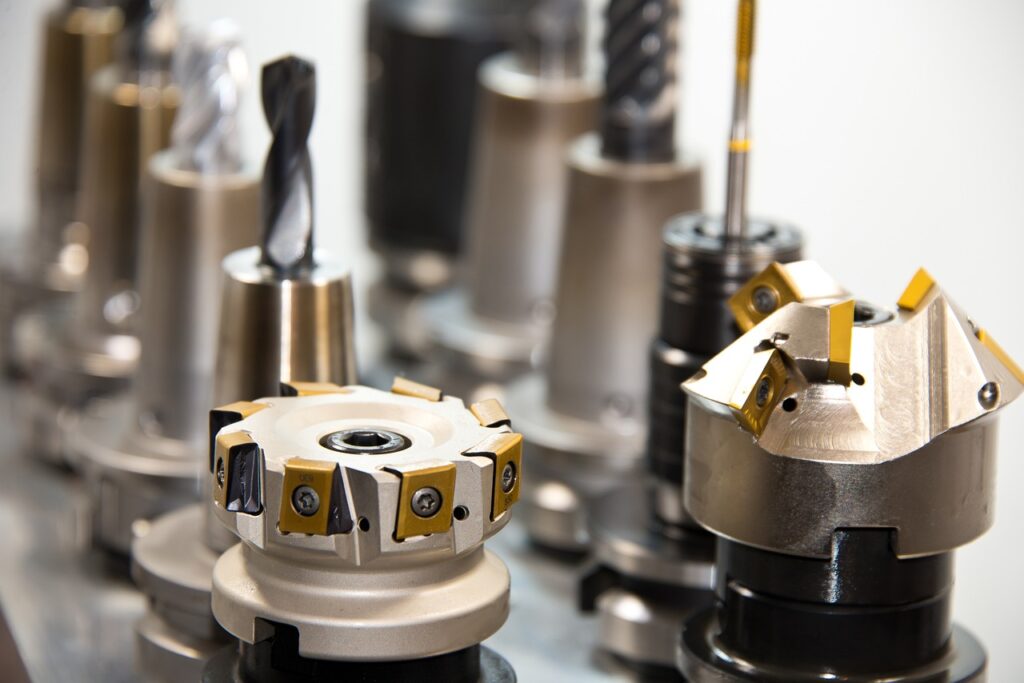
Manufacturers require a wide range of content to support their operations, marketing, and communication strategies. Each type serves a specific purpose while contributing to the overall visibility and effectiveness of the business.
Technical Manufacturing Content: Precision Writing for Complex Industries
In the world of industrial production, clarity is just as important as precision. Technical manufacturing content plays a critical role in bridging the gap between complex engineering processes and the audiences who need to understand them. Whether it’s for clients, stakeholders, or internal teams, the right content ensures that technical information is communicated effectively and professionally.
From machinery specifications to production workflows, manufacturing businesses rely on accurate and engaging content to showcase their expertise, build trust, and support decision-making across multiple levels.
Why manufacturing businesses need specialised content
Manufacturing is a highly technical field, often involving specialised terminology, detailed processes, and strict compliance requirements. Generic content simply doesn’t meet the standards required to communicate this level of complexity.
This is where technical manufacturing content becomes essential. It translates complex concepts into structured, accessible language without losing accuracy. This balance is crucial for engaging both technical and non-technical audiences, including engineers, procurement teams, and business decision-makers.
In addition, high-quality content helps manufacturers position themselves as industry leaders. Detailed product descriptions, white papers, and case studies demonstrate expertise and build credibility, making it easier to attract and retain clients.
Another important factor is consistency. Well-crafted content ensures that messaging remains aligned across websites, brochures, and digital platforms, reinforcing a strong and professional brand presence.
Types of technical manufacturing content that drive results

Manufacturers require a wide range of content to support their operations, marketing, and communication strategies. Each type serves a specific purpose while contributing to the overall visibility and effectiveness of the business.
Common examples of technical manufacturing content include:
- Product specifications and technical datasheets
- Process documentation and operational guides
- Case studies showcasing completed projects
- Website content for industrial services and solutions
- Blog articles explaining manufacturing trends and innovations
These formats help communicate both the technical capabilities and the value proposition of a manufacturing business. When done correctly, they not only inform but also persuade and convert potential clients.
Balancing technical accuracy with readability
One of the biggest challenges in creating technical manufacturing content is maintaining accuracy while ensuring readability. Content that is too complex can alienate readers, while overly simplified content risks losing credibility.
Professional content writing focuses on achieving the right balance. This involves structuring information logically, using clear language, and breaking down complex ideas into digestible sections. Headings, visuals, and examples all play a role in improving comprehension.
Tone is also important. The content should reflect the professionalism and expertise of the brand while remaining approachable. This ensures that readers stay engaged and can easily extract the information they need.
Moreover, search engine optimisation (SEO) adds another layer of value. By incorporating relevant keywords naturally, manufacturers can improve their online visibility and reach the right audience more effectively.
Turning expertise into measurable growth
Investing in technical manufacturing content is not just about communication; it’s about driving business growth. High-quality content supports lead generation, improves search rankings, and enhances customer understanding of products and services.
It also plays a role in long-term strategy. Educational content builds trust over time, positioning the business as a reliable source of knowledge within the industry. This can lead to stronger relationships and increased opportunities.
For manufacturers looking to scale, content becomes a powerful tool for expansion. It enables companies to reach new markets, explain complex solutions, and stand out in a competitive landscape.
Elevate your manufacturing content strategy
Strong technical manufacturing content transforms complex information into clear, compelling communication that drives results. It ensures that your expertise is not only understood but also valued by your audience.
- Product specifications and technical datasheets
- Process documentation and operational guides
- Case studies showcasing completed projects
- Website content for industrial services and solutions
- Blog articles explaining manufacturing trends and innovations
These formats help communicate both the technical capabilities and the value proposition of a manufacturing business. When done correctly, they not only inform but also persuade and convert potential clients.
Balancing technical accuracy with readability
One of the biggest challenges in creating technical manufacturing content is maintaining accuracy while ensuring readability. Content that is too complex can alienate readers, while overly simplified content risks losing credibility.
Professional content writing focuses on achieving the right balance. This involves structuring information logically, using clear language, and breaking down complex ideas into digestible sections. Headings, visuals, and examples all play a role in improving comprehension.
Tone is also important. The content should reflect the professionalism and expertise of the brand while remaining approachable. This ensures that readers stay engaged and can easily extract the information they need.
Moreover, search engine optimisation (SEO) adds another layer of value. By incorporating relevant keywords naturally, manufacturers can improve their online visibility and reach the right audience more effectively.
Turning expertise into measurable growth
Investing in technical manufacturing content is not just about communication; it’s about driving business growth. High-quality content supports lead generation, improves search rankings, and enhances customer understanding of products and services.
It also plays a role in long-term strategy. Educational content builds trust over time, positioning the business as a reliable source of knowledge within the industry. This can lead to stronger relationships and increased opportunities.
For manufacturers looking to scale, content becomes a powerful tool for expansion. It enables companies to reach new markets, explain complex solutions, and stand out in a competitive landscape.
Elevate your manufacturing content strategy
Strong technical manufacturing content transforms complex information into clear, compelling communication that drives results. It ensures that your expertise is not only understood but also valued by your audience.
If you’re ready to improve how your manufacturing business communicates, now is the time to invest in content that reflects your precision and professionalism. Contact us today to elevate your content strategy and position your brand for long-term success.