
A beautifully prepared meal can make someone a loyal customer, but first you need to convince them to walk through the restaurant door.
Today, that journey often begins online.
Potential customers search for restaurants, browse menus, check social media pages, read about dishes and explore websites before deciding where they want to eat. While photographs certainly play an important role in making food look irresistible, words provide the context that transforms those images into an experience.
Professional restaurant content writing helps hospitality businesses explain what makes them different, showcase their food, communicate their atmosphere and encourage potential customers to make a booking or visit.
For restaurants competing in busy hospitality markets, great food is only part of the recipe. Great content helps people discover it.
What Is Restaurant Content Writing?
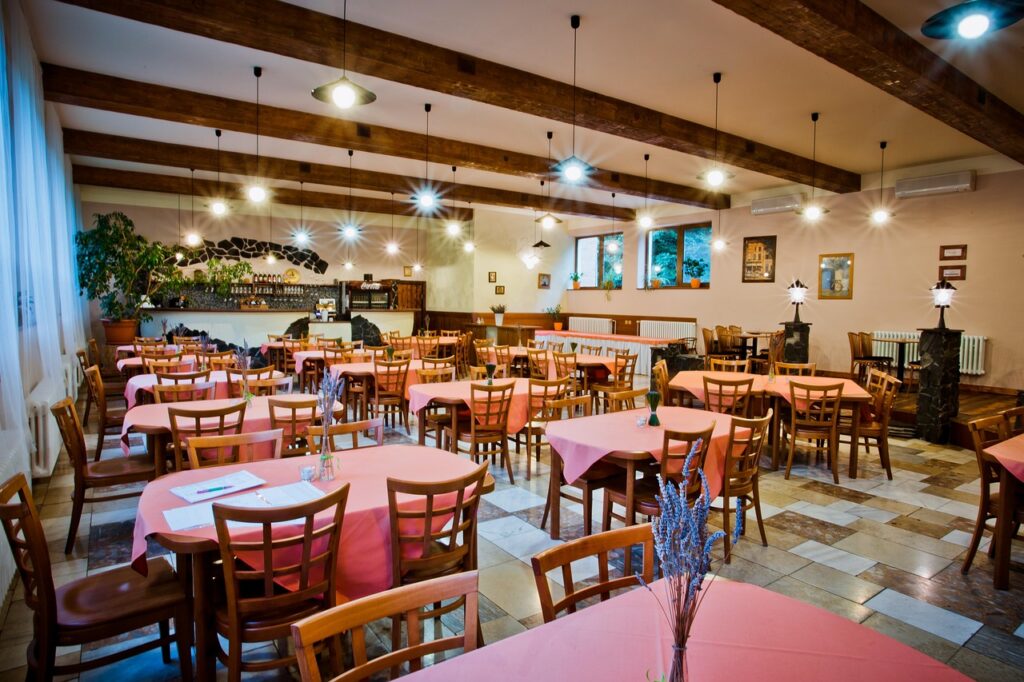
Restaurant content writing covers virtually every piece of written communication a restaurant publishes for potential and existing customers.
That includes obvious material such as website pages and blog articles, but it can extend much further.
Menu descriptions, chef profiles, promotional campaigns, newsletters, event announcements, social media copy and even information about ingredients or suppliers can all contribute towards the restaurant’s wider content strategy.
Effective restaurant content needs to communicate personality.
A fine-dining establishment shouldn’t necessarily sound like a casual family restaurant. Similarly, a trendy burger bar, traditional Italian restaurant, local steakhouse and beachfront seafood venue will each have their own character.
The writing should reflect that identity.
Your Website Is Part of the Dining Experience
A restaurant website often provides a customer’s first meaningful interaction with the business.
Someone might discover the restaurant through Google, social media, a recommendation or an online directory. Their next step is frequently visiting the website to see what the restaurant actually offers.
This is where restaurant content writing becomes particularly important.
The homepage should quickly communicate the restaurant’s identity. An About page can tell its story. Menu pages should make dishes easy to understand, while location and contact information needs to help customers plan their visit.
Additional pages might cover private dining, functions, catering services, dietary requirements or special experiences.
Every page has a job.
Together, they should make potential customers feel that they already understand something about the restaurant before they arrive.
Make the Menu Sound as Good as the Food

Menu writing deserves special attention.
Customers want to know what they’re ordering, but menu descriptions can also create anticipation. The challenge is finding the balance between useful information and excessive description.
A simple dish doesn’t need an entire paragraph explaining its existence.
However, carefully chosen words can highlight important ingredients, preparation methods or flavours that make the dish distinctive.
Restaurant content writing should also avoid making everything sound identical. If every dish is described as “delicious”, “mouth-watering” or “amazing”, those words quickly lose their impact.
Specificity is more powerful.
Mention the slow-roasted meat, locally sourced vegetables, handmade pasta, wood-fired preparation or signature sauce when those details genuinely distinguish the dish.
Let the food provide the story.
Tell Customers What Makes the Restaurant Special
Every restaurant needs a reason for customers to choose it over another establishment.
Sometimes that difference comes from the cuisine. In other cases, it might be the location, chef, history, atmosphere, service philosophy or ingredients.
Restaurant content writing gives businesses the opportunity to explain those differences.
A family restaurant that has served the same community for thirty years has a story. So does a new establishment built around sustainable ingredients or a chef introducing customers to cuisine from another part of the world.
Those stories can become powerful marketing material because they give customers something more meaningful than a list of dishes and prices.
People aren’t only choosing food.
They’re choosing where to spend their time.
Restaurant Blogs Can Attract New Customers
Blogging can be particularly useful for restaurants wanting to strengthen their online presence.
Rather than publishing endless advertisements asking people to make reservations, restaurants can create useful and interesting content connected to their cuisine and expertise.
Potential topics include:
- Chef interviews, seasonal menus, ingredient guides, food traditions, behind-the-scenes stories, local supplier features, wine pairings, special events and explanations of signature dishes.
This creates opportunities to target relevant search terms while simultaneously giving customers more reasons to explore the website.
A seafood restaurant could publish articles about different fish species. An Italian restaurant might explain regional pasta traditions. A steakhouse could discuss different cuts and preparation methods.
The restaurant already possesses considerable expertise.
Content writing simply turns that knowledge into material customers can discover online.
Local SEO and Restaurant Content Writing
Restaurants depend heavily on location.
Someone searching for dinner generally isn’t interested in discovering an excellent restaurant hundreds of kilometres away. They want somewhere they can actually visit.
That makes local search visibility particularly valuable.
Restaurant content writing can naturally incorporate information about the establishment’s location, surrounding attractions, neighbourhood and services without repeatedly forcing geographic keywords into every sentence.
Dedicated pages can also target specific customer needs.
A restaurant might create content around romantic dinners, business lunches, family meals, birthday celebrations or private functions if those experiences genuinely form part of its offering.
Useful content answers the questions customers are already asking.
Content Beyond the Restaurant Website
Restaurant marketing doesn’t stop with the website.
Social media provides opportunities to showcase new dishes, introduce staff, promote events and share glimpses of daily restaurant life. Email newsletters can announce seasonal menus, special evenings or upcoming celebrations.
The challenge is maintaining a consistent voice across all of these platforms.
A restaurant that sounds sophisticated on its website but completely different in newsletters and social posts can create a fragmented brand identity.
Professional restaurant content writing helps establish a recognisable voice.
That voice might be elegant, playful, traditional, energetic or relaxed depending on the establishment.
Consistency helps customers remember it.
Turn Your Restaurant Into a Story Worth Tasting
Restaurants already create experiences every day.
There is the sound of a busy kitchen, the arrival of fresh ingredients, the careful preparation of signature dishes and the moment customers gather around a table.
All of those moments can become part of the restaurant’s story.
Strong restaurant content writing doesn’t replace excellent food or service. Instead, it helps potential customers discover what the restaurant has to offer before they ever take their first bite.
From website copy and SEO articles to menu descriptions, promotional campaigns and brand storytelling, Formula Write Solutions can help hospitality businesses develop professional content that reflects their identity and reaches the customers they want to attract.
If your restaurant needs professional content for its website or digital marketing campaigns, contact Formula Write Solutions today to discuss your restaurant content writing requirements and request a quote.