

In a world where parents seek advice, reassurance, and inspiration online, parenting content writing has become one of the most impactful forms of digital communication. From heartfelt blog posts to practical guides, brands and writers are shaping family conversations through content that informs, supports, and uplifts. This niche blends empathy with expertise, creating words that resonate deeply with mums, dads, and caregivers alike.
For agencies, publishers, and freelance writers, mastering parenting content writing means understanding more than just SEO and tone. It requires emotional intelligence, a genuine connection to real-life parenting experiences, and the ability to translate complex topics, from child development to family wellbeing, into relatable stories. Done right, it builds trust, loyalty, and a lasting bond between brands and their audiences.
Understanding the Parenting Audience

Every piece of parenting content begins with understanding who it’s for. Parents consume information differently depending on their child’s age, their lifestyle, and even their emotional state. A new parent searching for baby sleep advice won’t respond the same way as a parent of a teenager navigating social media challenges. Parenting content writing therefore begins with empathy, stepping into the reader’s shoes and anticipating their needs.
Writers must also recognise that parents are often time-poor. They value content that is concise, trustworthy, and written in a tone that feels genuine rather than condescending. Authenticity is the golden rule. Readers want to feel like they’re hearing from someone who understands their world, not a distant voice delivering textbook answers.
Balancing Expertise and Emotion

The most successful parenting content strikes a balance between authority and warmth. Too much technical language can alienate readers, while overly emotional content risks losing credibility. Parenting content writing requires both: research-driven insights paired with compassionate storytelling.
This blend allows writers to present practical advice backed by credible sources while maintaining a voice that feels human and relatable. Whether it’s an article about early childhood education, family budgeting, or mental health, content should inform and comfort at the same time. It’s this emotional intelligence that turns an ordinary parenting blog into a trusted resource.
Types of Parenting Content That Engage Readers

The beauty of parenting content writing lies in its variety. From expert articles and how-to guides to opinion pieces, product reviews, and inspirational stories, the possibilities are endless. The most effective pieces share one thing in common: they provide real value.
Educational content helps parents learn new skills or understand developmental stages. Personal stories remind them they’re not alone. Brand partnerships, when done ethically, offer solutions to genuine problems without feeling overly promotional. Even social media micro-posts can spark meaningful engagement when written with empathy and purpose.
How to Write for Parenting Brands
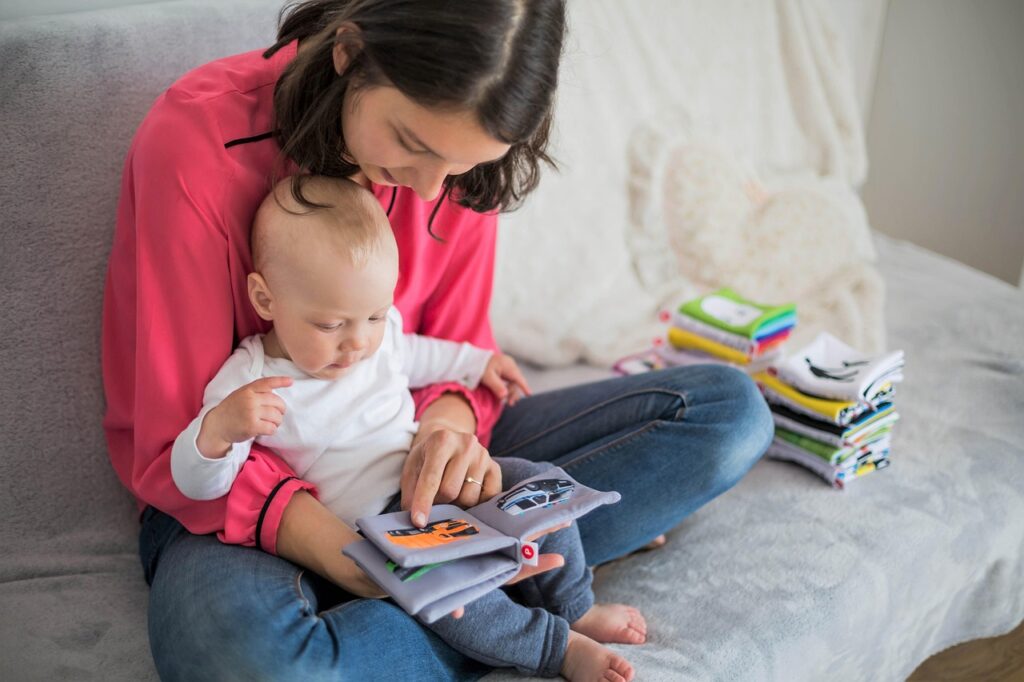
Writing for parenting brands requires a careful balance of voice, tone, and strategy. Parenting content writing should align with the brand’s mission while staying true to the reader’s needs. Consistency is key, whether producing articles, newsletters, or campaign copy, the tone must remain warm, inclusive, and trustworthy.
Successful writers in this space also understand SEO without compromising humanity. Keywords such as “positive parenting,” “family wellness,” or “child development tips” can drive visibility, but they must fit naturally within the narrative. Storytelling always comes first; optimisation follows. Ultimately, readers connect with authenticity, not algorithms.
The Role of Inclusivity in Modern Parenting Content Writing

Today’s parenting landscape is beautifully diverse, and modern parenting content writing must reflect that reality. Writers should aim to include families of all shapes and backgrounds: single parents, LGBTQ+ families, blended households, and those navigating unique challenges. Inclusive language helps every reader feel seen and respected.
Inclusivity also means avoiding stereotypes. The modern parent is multitasking, tech-savvy, and globally connected. By representing this range of experiences, content becomes richer, more relevant, and far more engaging. When inclusivity meets empathy, parenting content becomes a universal language of support and understanding.
Writing That Inspires and Connects
Parenting content writing isn’t just about crafting articles. It’s about building a bridge between information and emotion. It gives parents comfort on hard days, practical advice when they need it most, and a sense of community in a world that can often feel isolating.
As more brands invest in quality family-focused content, the need for skilled writers in this niche continues to grow.
By mastering empathy, research, and storytelling, writers can help shape a world where every parent feels informed, supported, and inspired, one article at a time.
Feel free to request a quote if you need assistance with content writing!