Landing page content plays a critical role in whether a visitor becomes a lead, a subscriber or a paying customer. You can run the best ads, build the most beautiful website and offer an excellent product, but if your landing page content does not communicate value clearly, conversions will fall flat.
This guide explains what makes landing page content effective, how it works, and how you can write content that inspires action.
Table of Contents
Why landing page content matters

A landing page has a single purpose: to persuade the visitor to take one specific action. That action may be signing up for a newsletter, downloading a guide, buying a product or booking a consultation. Strong landing page content guides the reader toward that action without distraction.
Unlike a homepage, which introduces an entire brand, landing page content is focused, direct and built around one offer. Every headline, paragraph and call to action must point the visitor in the same direction.
Good content cuts through confusion, answers questions quickly and gives people the confidence to take the next step.
Landing page vs service page: What makes them different
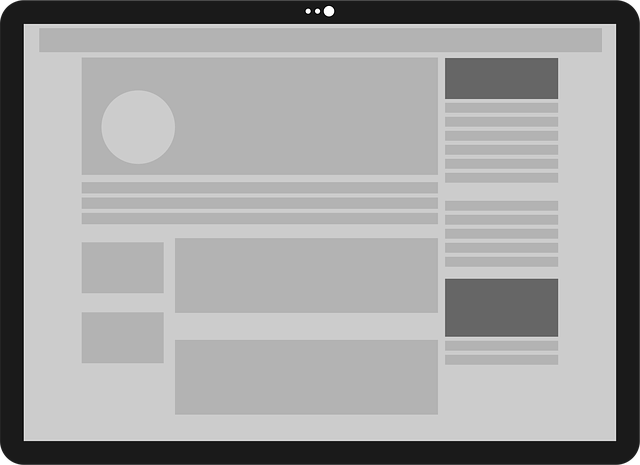
Although many people confuse the two, a landing page and a service page are not the same thing. Both play important roles in a business website, but they serve different goals and require different approaches to content.
A landing page is built for one purpose only. It focuses on a single offer, a single audience and a single action you want the visitor to take. This makes landing page content highly targeted.
Every element on the page is designed to remove distraction, communicate value quickly and guide the user to convert. Landing pages are often used in ads, email campaigns or promotions because they match the visitor’s intent and keep them focused.
A service page, on the other hand, provides broader information about a service the business offers. Instead of pushing for one action immediately, a service page educates the reader about what the service includes, who it is for, how it works and why it matters.
Service pages usually contain more detail, support internal linking and help visitors understand the overall capabilities of the business. They are part of the long-term structure of the website rather than a temporary campaign.
The key difference is intent. Landing pages are built for conversion. Service pages are built for understanding. When businesses write each one with the correct purpose in mind, both become much more effective.
Crafting the perfect headline and value proposition
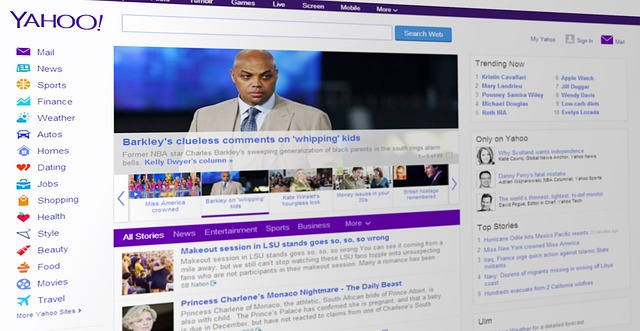
The headline is the first piece of landing page content visitors see. It needs to communicate value immediately. A strong headline focuses on what the user gets rather than what the company does. Instead of describing the product, it highlights the benefit.
Once the headline captures attention, the value proposition reinforces why the offer matters. A good value proposition is short, clear and easy to understand. It should explain the problem being solved, the solution being offered and why this solution is better than alternatives. When the value proposition is placed near the top of the page, it sets the tone for the rest of the landing page content.
Building trust with social proof and clarity
Visitors are more likely to convert when they trust the brand. This means landing page content should include elements that increase credibility, such as testimonials, case studies, client logos or star ratings. These elements reassure readers that others have tried the offer and had a positive experience.
Clarity is equally important. Avoid jargon, long sentences and unnecessary detail. People skim landing pages, so content must be easy to digest. Bullet points, short paragraphs and strong subheadings help readers move quickly through the information. The goal is to reduce friction and remove any doubts that could stop someone from converting.
Structuring landing page content for conversions

The layout of landing page content is just as important as the wording. Effective pages follow a flow that naturally leads the visitor towards the call to action. Many successful landing pages use the following structure:
- A clear headline
- A short value proposition
- Key benefits in simple language
- Social proof to build trust
- A visual that supports the message
- A strong call to action placed above the fold
Additional content, such as FAQs, can appear lower on the page to answer concerns without cluttering the main message. Each section should support the conversion goal and keep the visitor focused. When landing page content is structured this way, conversions often rise significantly.
Great landing page content fuels business growth
Strong landing page content is one of the most effective tools for increasing conversions. When written correctly, it captures attention, builds trust and drives visitors to take action.
Whether you are selling a service, promoting a webinar or launching a new product, the right approach to landing page content can transform results.
Contact us if you need help with your landing page content!