

Interior design content writing is about more than describing a room. It is about capturing the feeling of a space, the intention behind the design and the experience it creates for those who enter it.
In a visually driven industry, words play a powerful supporting role. They guide the reader’s eye, explain the choices behind a design and create a connection between the space and the audience. Without strong content, even the most beautiful interiors can struggle to communicate their full value.
In this guide, we explore how interior design content writing works, where it is used and how it helps designers and brands present their work effectively.
The role of content in interior design communication

Interior design is often experienced visually, but understanding design requires context. Interior design content writing provides that context, explaining how elements such as layout, colour, texture and lighting come together to create a cohesive space.
When you write about interiors, you are guiding the reader through the design. You help them understand why certain choices were made and how those choices influence both aesthetics and functionality.
This is especially important when communicating with clients who may not have a design background. Clear and engaging content allows them to appreciate the thought process behind the work, making it easier for them to trust your expertise.
By combining visual appeal with thoughtful explanation, interior design content writing enhances how spaces are perceived and understood.
Where interior design content writing is used

Interior design content writing appears across a wide range of platforms, each with its own purpose and audience. From websites to social media and editorial features, content plays a key role in how design work is presented.
On websites, content helps define a brand’s identity and communicate services clearly. Project descriptions, portfolio pages and service explanations all rely on well-crafted writing to engage potential clients.
In blogs and articles, interior design content writing allows designers to share insights, trends and expertise. This not only builds authority but also improves visibility in search engines.
Social media captions, although shorter, still benefit from strong writing. They provide context for images, helping audiences connect with the design on a deeper level.
Across all these platforms, consistency in tone and messaging is essential for building a recognisable and professional brand.
Balancing creativity with clarity
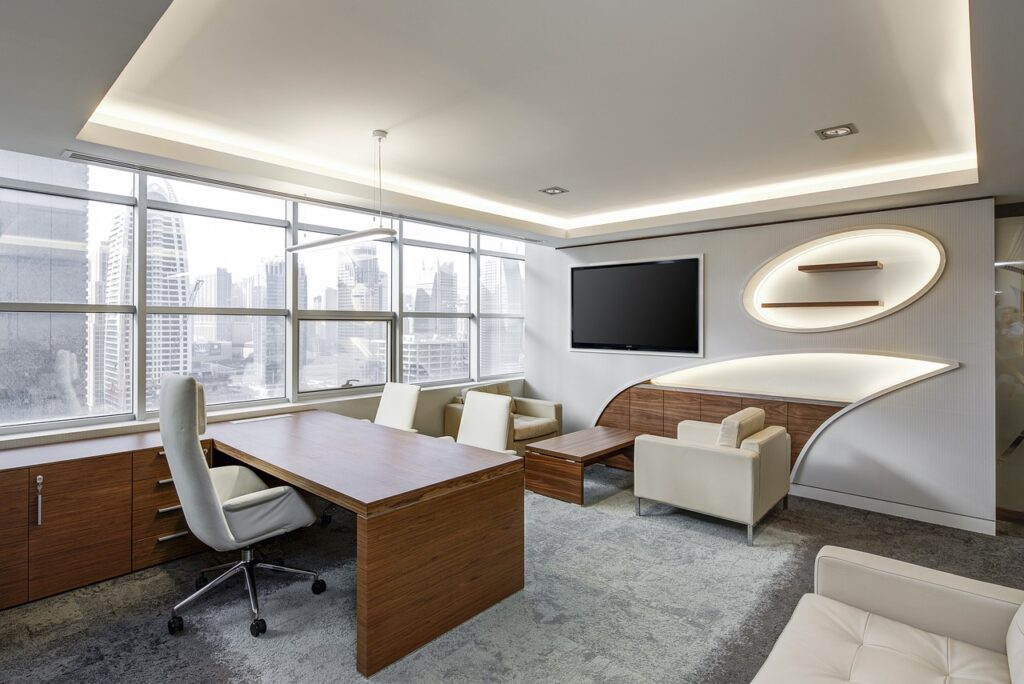
One of the key challenges in interior design content writing is finding the balance between creativity and clarity. The content should feel expressive and aligned with the design aesthetic, but it must also remain easy to understand.
Descriptive language can bring a space to life, allowing the reader to imagine how it feels to be there. However, overly complex or abstract descriptions can make the content difficult to follow.
The goal is to create writing that is both engaging and informative. Each sentence should add value, either by enhancing the visual experience or by explaining a design choice.
By maintaining this balance, interior design content writing can appeal to both creative audiences and practical decision-makers.
The importance of storytelling in design content
Every interior space has a story. It may be the story of the client, the purpose of the space or the journey of the design itself. Interior design content writing brings that story to the forefront.
When you incorporate storytelling into your content, you move beyond simple description. You create a narrative that draws the reader in and gives meaning to the design.
This approach is particularly effective in portfolio content, where each project can be presented as a unique journey. It allows potential clients to see not just the final result, but the thinking and creativity behind it.
Storytelling also helps differentiate your work in a competitive market. It gives your brand a voice and makes your content more memorable.
How interior design content writing supports business growth
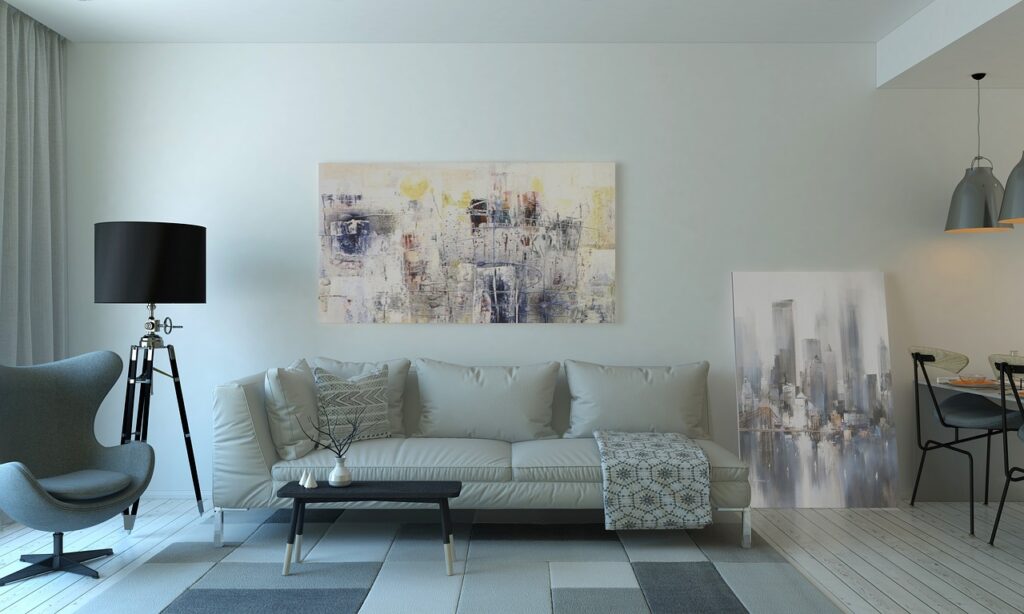
Interior design content writing is not just about presentation. It is also a powerful tool for attracting and converting clients.
Well-written website content improves search engine visibility, making it easier for potential clients to find your business online. It also helps communicate your services clearly, reducing confusion and building trust.
Informative articles and guides position you as an expert in your field, encouraging clients to see you as a reliable source of knowledge and inspiration.
In addition, consistent content strengthens your brand identity, making your business more recognisable and professional.
By investing in quality content, interior designers can enhance both their visibility and their credibility.
Final thoughts
Interior design content writing brings together creativity, clarity and strategy. It transforms visual work into a complete experience, helping audiences understand and connect with the spaces you create.
By focusing on storytelling, structure and clear communication, you can present your designs in a way that is both engaging and professional.
If you are looking for professional interior design content writing to showcase your projects or grow your brand, feel free to get in touch with us. We create content that captures the essence of your work while supporting your business goals. 🔥