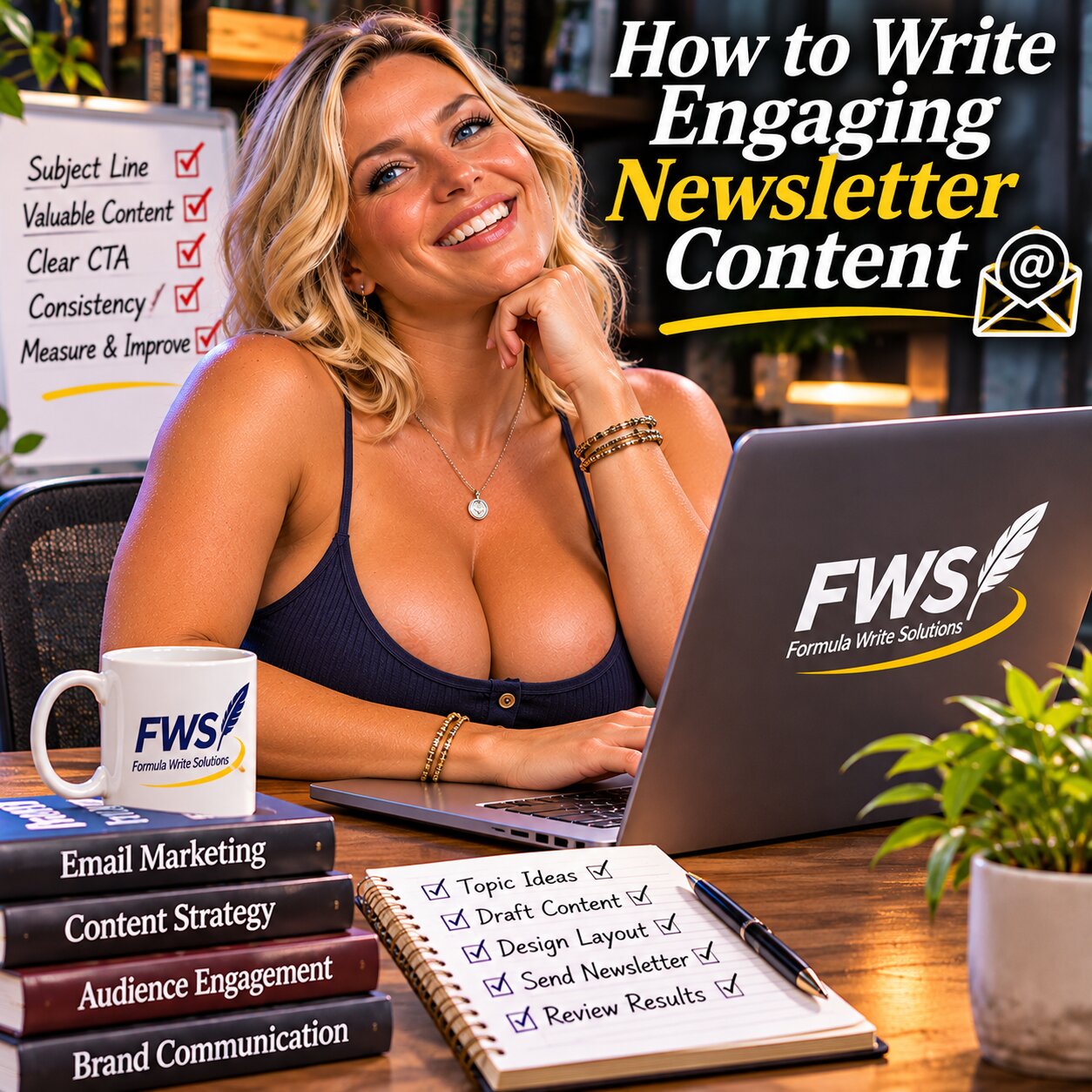
Email newsletters remain a valuable communication tool for businesses, authors and content creators. They provide a direct way to share updates, promote products and maintain relationships with an interested audience. However, learning how to write engaging newsletter content requires more than filling an email with announcements and promotional messages.
Readers receive countless emails competing for their attention every day. A successful newsletter needs to offer something worthwhile from the moment it arrives in their inbox. Understanding your audience, choosing relevant topics and presenting information clearly can make the difference between an email that gets ignored and one that encourages meaningful engagement.
Understand What Your Subscribers Want
Before writing a newsletter, consider why people subscribed in the first place. Some readers want industry insights, while others are interested in practical advice, exclusive offers or updates about a particular business. Understanding these expectations helps you develop content that feels relevant rather than intrusive.
Audience research can provide valuable direction. Review previous newsletter performance, customer questions and website engagement to identify subjects that generate interest. You can also ask subscribers directly what they would like to receive, particularly when building a new email marketing strategy.
Different audience segments may have different interests. A publishing company, for example, might send book recommendations to readers while sharing manuscript preparation advice with aspiring authors. Tailoring content to these groups can improve relevance without requiring an entirely different communication strategy for every subscriber.
Create Subject Lines That Encourage Opens
The subject line is often the first opportunity to capture a reader’s attention. It should communicate the newsletter’s value while creating enough interest to encourage someone to open the email. Clear, specific language generally provides a stronger foundation than vague promotional statements.
Consider the difference between a subject line announcing a monthly update and one promising practical advice about improving website content. The second approach gives readers a clearer reason to investigate. Questions, useful information and timely announcements can all work when they accurately reflect the email’s contents.
Avoid misleading claims or exaggerated urgency. Although sensational subject lines may occasionally attract attention, disappointing readers can damage trust over time. Effective newsletter writing builds expectations that the content consistently fulfils.
Start With an Engaging Introduction
The opening paragraph should establish why the newsletter matters. Rather than beginning with lengthy greetings or unnecessary company information, introduce the central topic or highlight something valuable the reader will discover. A conversational tone can make the message feel more personal and approachable.
Storytelling offers another effective introduction. A short customer experience, industry observation or relevant anecdote can establish context before introducing practical information. The story should connect naturally to the newsletter’s purpose rather than functioning as an unrelated distraction.
Keep introductions concise enough to encourage readers to continue. People often scan emails before deciding whether to read them completely. An opening that quickly demonstrates relevance makes the remaining content more inviting.
Structure Newsletter Content for Easy Reading
Readable formatting is essential when writing newsletters, particularly because many subscribers access their emails on mobile devices. Short paragraphs, descriptive headings and clear spacing make information easier to navigate. Readers should be able to identify important updates without searching through dense blocks of text.
A newsletter can include several recurring sections, such as industry news, practical tips, featured articles or company announcements. However, each section should contribute to the overall purpose of the email. Including too many unrelated topics can weaken the message and overwhelm subscribers.
Visual elements can support the writing when used thoughtfully. Relevant photographs, illustrations and simple graphics may help communicate information, but excessive images can increase loading times or create accessibility problems. Important messages should remain understandable even when images are unavailable.
Balance Valuable Information With Promotion
Businesses naturally want newsletters to support sales, website traffic and customer engagement. However, readers are less likely to remain interested when every email consists entirely of advertisements. Providing useful information gives subscribers a reason to maintain their connection with the brand.
Educational content can include tutorials, industry explanations, practical recommendations and answers to common customer questions. These subjects demonstrate expertise while helping readers solve problems. Promotional messages become more effective when they appear alongside information that already provides value.
For example, a writing services company might explain how to improve website introductions before mentioning its professional editing services. The promotional element follows naturally from the advice rather than interrupting it. This approach helps establish credibility and supports a more sustainable relationship with subscribers.
Include Clear Calls to Action
Every newsletter should have a purpose, whether that involves encouraging readers to visit a website, explore a product or respond to a question. A call to action provides a clear next step after someone has engaged with the content. Without one, even an informative newsletter may struggle to produce measurable results.
Calls to action should use specific language that reflects the intended outcome. Instead of relying exclusively on generic phrases, explain what readers can expect when they follow a link. An invitation to read a complete guide, explore a new book or request a consultation communicates more useful information.
Avoid overwhelming readers with competing requests. When a newsletter contains several links, identify the primary action and make it easy to recognise. Secondary links can support additional interests without distracting from the central objective.
Maintain a Consistent Newsletter Schedule
Consistency helps subscribers understand when to expect communication. Some businesses benefit from weekly newsletters, while others may find that monthly updates provide enough time to develop meaningful content. The ideal frequency depends on audience expectations, available resources and the amount of genuinely useful information being shared.
An editorial calendar can simplify planning. Recording upcoming topics, publication dates, promotional campaigns and seasonal events helps maintain variety and prevents unnecessary repetition. It also gives writers time to research subjects and prepare content before deadlines become urgent.
However, consistency should never come at the expense of quality. Sending an unnecessary newsletter simply to maintain a schedule may provide less value than waiting until there is something worthwhile to communicate.
Measure Engagement and Improve Your Writing
Newsletter performance data can reveal which subjects and formats resonate with subscribers. Click-through rates, conversions, unsubscribes and direct responses provide useful indicators of audience behaviour. Open rates can offer additional context, although privacy features and automated email activity may make them unreliable as precise measurements of readership.
Testing different subject lines, content structures and calls to action can help identify opportunities for improvement. Change one major element at a time where possible so that the results are easier to interpret. Compare performance across multiple campaigns rather than drawing conclusions from a single email.
Reader feedback is equally valuable. Subscribers may reveal preferences that analytics cannot explain, such as wanting shorter updates or more practical examples. Combining quantitative information with direct feedback helps develop newsletters that remain useful as audience needs change.
Build Stronger Relationships Through Better Newsletters
Learning how to write engaging newsletter content is ultimately about respecting the reader’s attention. Every email should provide a clear reason to open it, accessible information and an appropriate next step. Strong writing supports these goals by making communication useful, understandable and enjoyable.
The most successful newsletters develop a recognisable voice while adapting to their audience’s interests. Through thoughtful planning, relevant storytelling and continuous improvement, businesses can transform routine email updates into meaningful opportunities for engagement. Rather than simply reaching an inbox, their newsletters become communications that subscribers genuinely appreciate receiving.