
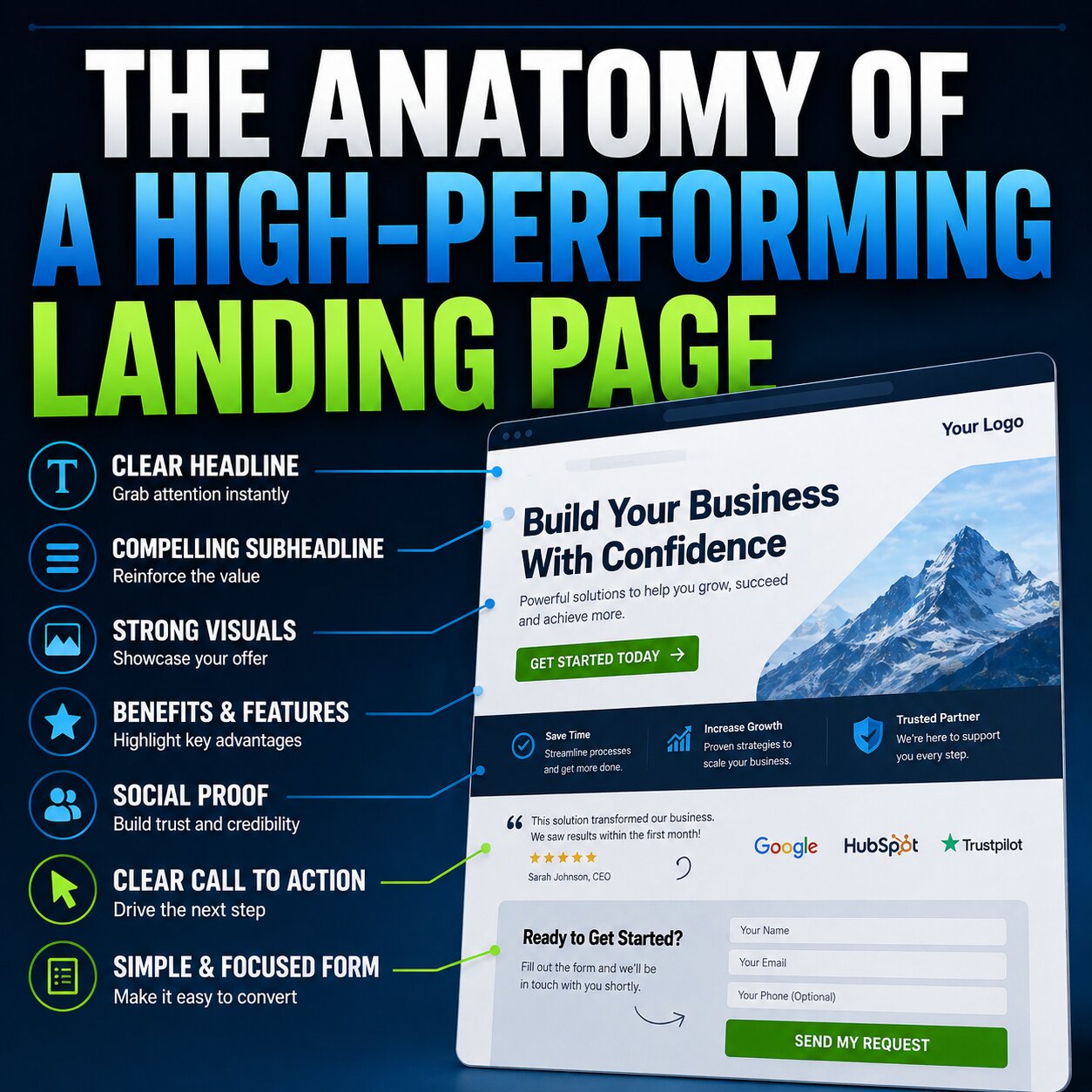
Landing pages play a critical role in modern digital marketing. Whether a business is promoting a service, product, webinar, lead magnet, or special offer, the landing page often becomes the deciding factor between gaining a customer or losing one. A high-performing landing page is not simply about looking attractive. It is about guiding visitors towards a specific action through clear messaging, strategic design, and strong user experience.
Many businesses spend money on advertising campaigns only to send visitors to pages that fail to convert. Weak headlines, confusing layouts, slow loading speeds, and unclear calls to action can quickly drive potential customers away. Understanding the anatomy of a high-performing landing page helps businesses create pages that generate leads, increase conversions, and maximise marketing performance.
Why landing pages matter so much

Unlike a traditional homepage, a landing page is designed with a single focused objective. The goal may be generating enquiries, collecting email sign-ups, booking consultations, selling products, or downloading resources. Everything on the page should support that specific action.
A high-performing landing page removes distractions and keeps visitors focused on the offer. Instead of overwhelming users with multiple navigation options or unrelated information, the page guides them step-by-step towards conversion.
Landing pages also allow businesses to tailor their messaging to specific audiences or advertising campaigns. Someone clicking on a Google advertisement for SEO services, for example, should arrive on a page directly related to SEO solutions rather than a generic business homepage.
When done correctly, landing pages can dramatically improve advertising return on investment by converting more visitors into customers.
The key elements of a high-performing landing page
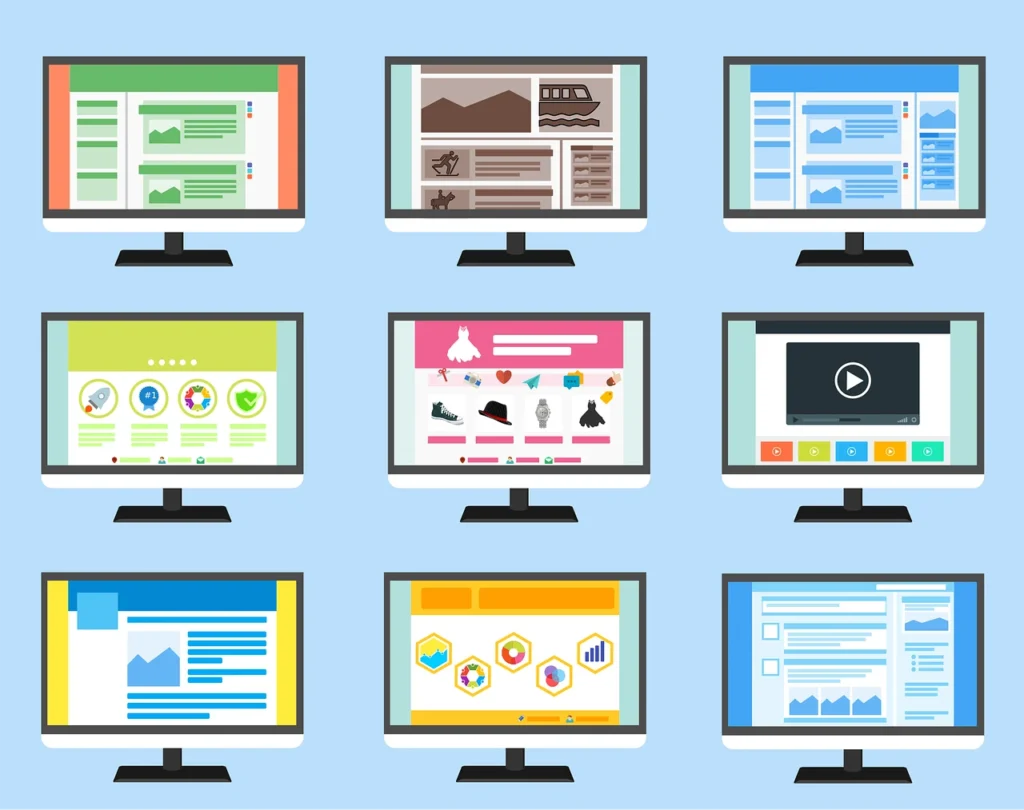
Several important elements work together to create a landing page that converts effectively. Each section should support clarity, trust, and user engagement.
A strong headline is often the first and most important element. Visitors should immediately understand what the page offers and why it matters to them. Weak or vague headlines often lead to high bounce rates because users lose interest quickly.
Supporting subheadings help reinforce the main message while providing additional context or benefits. Together, the headline and subheading should communicate value within seconds.
Visual design also plays a major role. Clean layouts, professional imagery, readable typography, and strategic spacing help improve readability and user trust. Modern landing pages should feel polished without becoming cluttered.
High-performing landing pages often include:
- Clear and benefit-driven headlines
- Focused calls to action
- Strong visual hierarchy
- Fast loading speeds
- Mobile-friendly design
- Trust signals such as testimonials or reviews
- Simple forms with minimal friction
- Persuasive copywriting focused on user benefits
- Relevant imagery or videos
- Consistent branding and messaging
Each element contributes to building confidence and encouraging visitors to take action.
The importance of persuasive copywriting

Even the best-looking landing page will struggle if the messaging is weak. Effective landing page copy focuses on solving problems, addressing pain points, and clearly communicating benefits.
Businesses often make the mistake of talking too much about themselves instead of focusing on the customer’s needs. High-performing landing pages explain how a product or service improves the visitor’s situation rather than simply listing features.
Calls to action should also feel clear and compelling. Generic phrases like “Submit” or “Click Here” are far less effective than action-oriented messaging such as “Get Your Free Consultation” or “Start Growing Your Business Today”.
Trust-building language is equally important. Testimonials, client logos, case studies, certifications, and guarantees can help reduce hesitation and reassure visitors that the business is credible.
Building Pages That Convert
A high-performing landing page is a combination of strategy, design, psychology, and communication. Every section should work together to guide visitors towards a single action while building trust and removing confusion.
Businesses that invest in better landing pages often see significant improvements in lead generation, advertising performance, and customer acquisition. Even small changes to headlines, calls to action, or page structure can have a major impact on conversions.
In a competitive digital landscape, businesses cannot afford weak landing pages. Strong landing page design and persuasive content are essential tools for turning traffic into real business growth. Contact us if you need assistance!