

Artificial intelligence is now woven into nearly every corner of digital life, and the content world is no exception. With the rise of ChatGPT, Jasper, and countless other tools, many wonder: has AI in content writing replaced human writers altogether?
While these tools have made it faster and easier to generate articles, blogs, and social posts, there’s an important truth that often gets overlooked. AI in content writing is powerful, yes, but the human touch remains irreplaceable for natural flow, emotional resonance, and genuine engagement.
The strengths of AI in content writing

AI has brought undeniable benefits to the writing industry. It can generate drafts in seconds, brainstorm fresh ideas on demand, and optimise content for SEO. For businesses needing large volumes of text quickly, this technology is nothing short of revolutionary. Automated tools also excel at structuring outlines, summarising complex topics, and analysing keywords to ensure content ranks well online.
But speed and efficiency are not the same as creativity. While AI is excellent at pattern recognition, it cannot fully grasp cultural nuance, humour, or empathy in the same way a human can. The strength of AI lies in its ability to support, not completely replace, human effort.
The risk of relying solely on AI
While AI in content writing offers incredible convenience, depending on it entirely comes with hidden costs. First, AI tends to recycle patterns and phrasing it has seen before, which can lead to generic content that blends into the noise instead of standing out. Readers are quick to pick up on formulaic structures, making articles feel robotic rather than engaging.
Second, AI in content writing lacks accountability. If a generated piece includes outdated statistics, subtle biases, or even factual errors, there’s no built-in safeguard to correct them. A brand that publishes unchecked AI content risks damaging its credibility. Worse still, search engines are beginning to crack down on low-quality, auto-generated articles. This means businesses that lean too heavily on AI could see their rankings drop.
Finally, originality is at stake. AI is trained on existing data, which means it cannot truly create something new. Human writers and editors, however, can draw from personal experiences, cultural knowledge, and fresh insights to produce content that resonates. Without that human oversight, even the most technically correct text can feel lifeless.
In short, AI can generate words—but only humans can turn them into a story worth reading.
Why human editing is non-negotiable
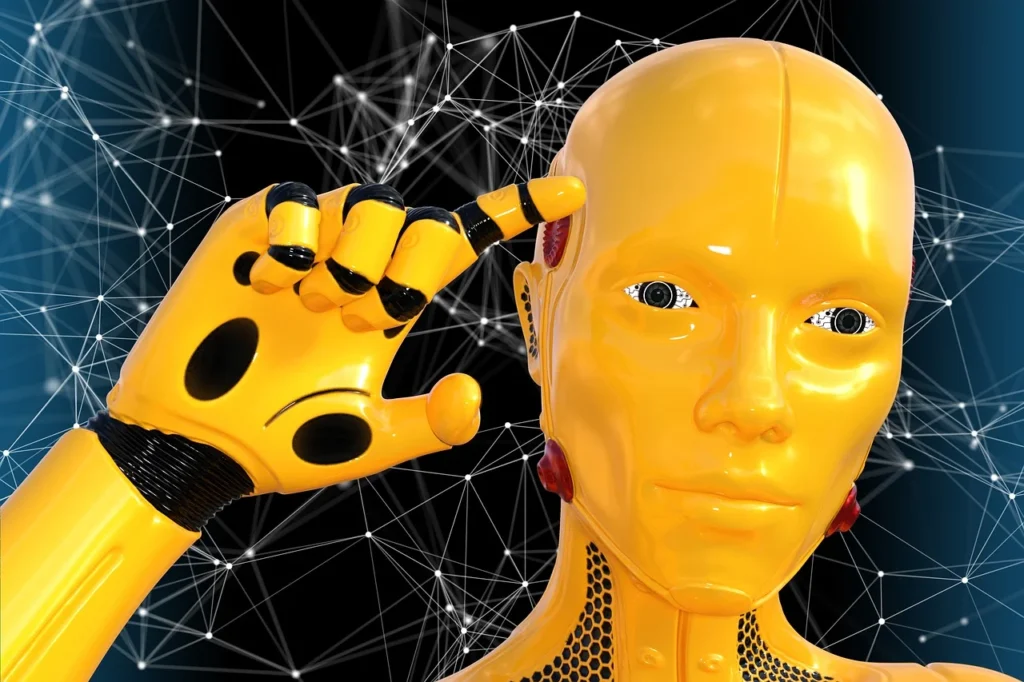
Even when AI produces a polished draft, it often lacks the rhythm and natural cadence of human writing. Readers notice when sentences feel mechanical or repetitive. That’s where professional editing steps in. A human editor can refine tone, adjust flow, and ensure the article doesn’t just inform but also connects.
More importantly, editors safeguard against errors AI might miss. Subtle inconsistencies, incorrect cultural references, or misinterpreted context can slip through automated systems. Human editors bring the lived experience and intuitive judgment that ensure content feels authentic and trustworthy.
Balancing efficiency with authenticity

The best results often come from collaboration between technology and people. Businesses and writers who harness AI tools to speed up brainstorming, drafting, and research (but rely on skilled editors for the final polish) achieve a perfect balance. This approach ensures content is not only efficient but also deeply engaging and credible.
Consider it like music production: AI can play the instruments, but humans are still needed to conduct the orchestra, fine-tune the notes, and add emotional depth. Without the human element, the result risks being technically correct yet soulless.
Conclusion: AI in content writing still needs the human touch
The rise of AI in content writing has transformed the industry, but it hasn’t eliminated the role of human writers and editors. On the contrary, it has made the human element even more important. Readers crave connection, subtlety, and storytelling that resonates: qualities no algorithm can replicate on its own.
That’s why investing in professional editing is essential. At Formula Write Solutions (a division of CEP), we ensure your content retains its natural flow, emotional depth, and authenticity, whether it started as a human draft or an AI-generated one.
Explore our Professional Editing Services to give your words the polish they deserve.