
Game writing is often misunderstood as simply writing dialogue or storylines. In reality, it is a multidisciplinary process that sits at the intersection of narrative design, gameplay mechanics, user experience, and technical constraints. For businesses and game studios, understanding what game writing involves is essential to building engaging, coherent, and commercially viable games.
Whether you are developing an entertainment title, a serious game, a gamified application, or an interactive training experience, game writing plays a critical role in shaping how users interact with your product. This guide explains what game writing is, what it includes, and why it should be treated as a core development discipline rather than an afterthought.
What game writing actually involves

Game writing goes far beyond traditional storytelling. Unlike books or films, games are interactive systems where players influence pacing, order, and outcomes. As a result, game writing must account for player choice, non-linear progression, and multiple narrative states.
For businesses and studios, game writing includes narrative structure, character development, world-building, dialogue systems, and contextual text such as tutorials, UI prompts, and feedback loops. Every written element must support gameplay rather than interrupt it. Strong game writing ensures that players understand their objectives, remain emotionally invested, and stay engaged over time.
Narrative design and player experience

At the heart of effective game writing is narrative design. This discipline focuses on how story elements are delivered through gameplay, not just through cutscenes or dialogue. Narrative design ensures that story, mechanics, and progression work together to create a cohesive experience.
For studios, this means planning how information is revealed, how characters evolve, and how player actions affect the world. For businesses using games for training or marketing, narrative design helps guide users toward desired outcomes without feeling forced or instructional. Good game writing makes systems feel intuitive, purposeful, and immersive.
Writing for gameplay systems and mechanics
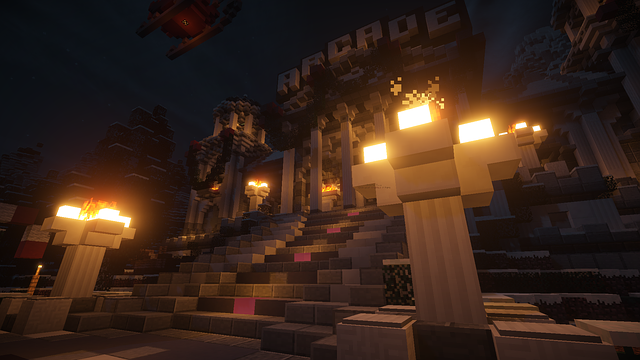
Game writing must align closely with gameplay systems. Writers often work alongside designers and developers to ensure that narrative elements support mechanics such as quests, branching choices, progression systems, and rewards.
This includes writing mission briefs, quest descriptions, item lore, environmental storytelling elements, and failure or success feedback. In commercial or educational games, this can also include scenario-based decision-making, consequences, and adaptive responses. Writing for games writing ensures that players understand why they are doing something, not just what they are doing.
Collaboration with development teams
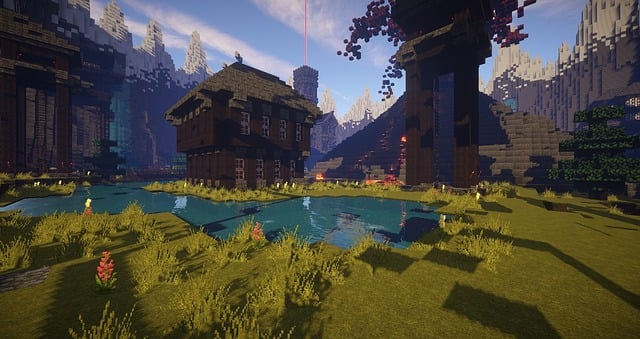
Writing for games is not a standalone task. It requires close collaboration with designers, artists, developers, and producers. Writers must understand technical limitations, engine constraints, and production timelines.
For businesses and studios, this means integrating writing for games early in the development process. Late-stage writing often results in disjointed experiences, rushed dialogue, or inconsistent tone. When writing is planned from the outset, it supports smoother production workflows and reduces costly revisions later in development.
Documentation and implementation
Professional writing for games also involves clear documentation. Writers produce narrative outlines, dialogue scripts, branching flowcharts, and implementation notes that help development teams integrate content correctly.
This documentation is especially important for larger studios or outsourced development teams. Clear, structured writing assets ensure consistency across builds, updates, and expansions. For businesses, proper documentation also supports scalability, allowing content to evolve as products grow or user needs change.
Why game writing matters for commercial success
Strong writing directly impacts player retention, engagement, and satisfaction. Confusing narratives, unclear objectives, or poorly written dialogue can quickly disengage users, regardless of how polished the visuals or mechanics may be.
For businesses, effective game writing helps communicate brand values, reinforce messaging, and guide user behaviour in subtle, non-intrusive ways. For studios, it strengthens IP development, franchise potential, and long-term audience loyalty. In both cases, writing for games contributes to a product’s credibility and perceived quality.
Choosing the right game writing approach
Not every project requires the same level of narrative depth. Some games rely heavily on story, while others focus on systems with light narrative framing. The key is choosing a writing approach that aligns with your goals, audience, and platform.
Working with experienced game writers ensures that writing decisions are strategic, not arbitrary. A tailored approach helps balance creativity with functionality, ensuring that narrative elements serve the game rather than overshadow it.
Building better games through game writing
Game writing is a foundational component of modern game development. It shapes how players understand, experience, and remember a game. For businesses and studios, investing in professional game writing leads to clearer communication, stronger engagement, and more cohesive products.
As games continue to expand into marketing, education, and interactive experiences, writing for games becomes increasingly valuable. Treating it as a strategic discipline rather than a finishing touch helps ensure that games meet both creative and commercial objectives.
If you need help with game writing, please feel free to contact us.