
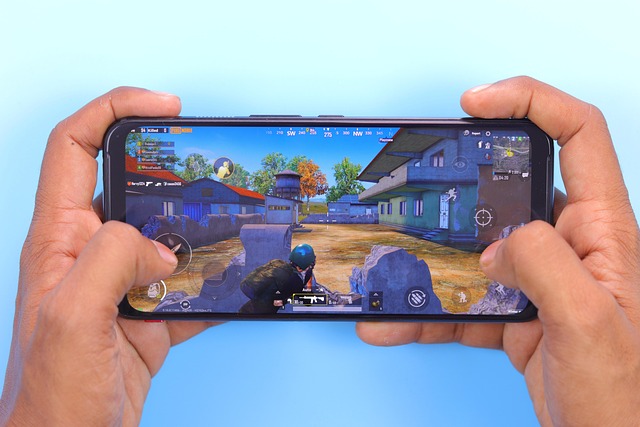
Mobile games may be designed for short play sessions, but the writing behind them is anything but small. From in-game dialogue and character interactions to tutorials, flavour text, and narrative progression, mobile game writing plays a crucial role in player engagement and retention.
At Formula Write Solutions, mobile game writing is approached with one core principle in mind: every line must earn its place. When players are on the move, distracted, or playing in short bursts, writing must be clear, purposeful, and emotionally effective.
What makes mobile game writing different

Unlike console or PC titles, mobile games are often played in fragmented sessions. This changes how stories and dialogue are delivered. Writers must communicate character, stakes, and progression quickly, without overwhelming the player.
Mobile game writing prioritises:
- Short, readable dialogue
- Clear narrative beats
- Strong character voices with minimal exposition
- Text that supports gameplay rather than interrupts it
Every sentence must respect the player’s limited attention span.
Writing in-game dialogue that feels natural

In-game dialogue for mobile titles needs to sound natural while remaining concise. Conversations are often broken into short lines that appear between actions, level transitions, or rewards.
Effective mobile dialogue:
- Uses simple sentence structures
- Avoids long monologues
- Communicates emotion through tone, not length
- Reinforces the game’s core theme or goal
Well-written dialogue helps players connect to characters without slowing gameplay.
Supporting gameplay through narrative

Mobile game writing is not just about story. It also supports mechanics, onboarding, and progression. Tutorials, hints, notifications, and mission descriptions all rely on strong writing to guide players without frustration.
Good narrative design ensures that players understand:
- Why they are completing a task
- What the reward or consequence is
- How their actions fit into the wider game world
When writing aligns with mechanics, players feel guided rather than instructed.
Working with developers and designers

Mobile game writers rarely work in isolation. Dialogue and narrative are shaped by gameplay systems, UI constraints, and technical limitations. Successful mobile game writing requires collaboration with developers and designers to ensure text fits naturally within the experience.
This often includes:
- Adjusting dialogue length to UI limits
- Writing modular dialogue that can change dynamically
- Ensuring consistency across updates and live content
Flexibility is a key skill in mobile game writing.
Why strong writing improves retention

Players may download a mobile game for its mechanics or visuals, but they stay for the emotional connection. Characters they care about, worlds that feel alive, and dialogue that feels rewarding all contribute to long-term engagement.
Clear, well-crafted writing helps turn casual players into returning ones by making each interaction feel intentional and memorable.
Mobile game writing as a specialised skill
Writing for mobile games sits at the intersection of storytelling, UX, and systems design. It requires understanding player behaviour, pacing, and the realities of how mobile games are played in the real world.
When done well, mobile game writing enhances immersion without demanding attention, guiding players smoothly while adding depth and personality to the experience.
For studios and developers, investing in strong mobile game writing is not just about story. It is about creating games that feel polished, coherent, and enjoyable every time a player taps the screen.