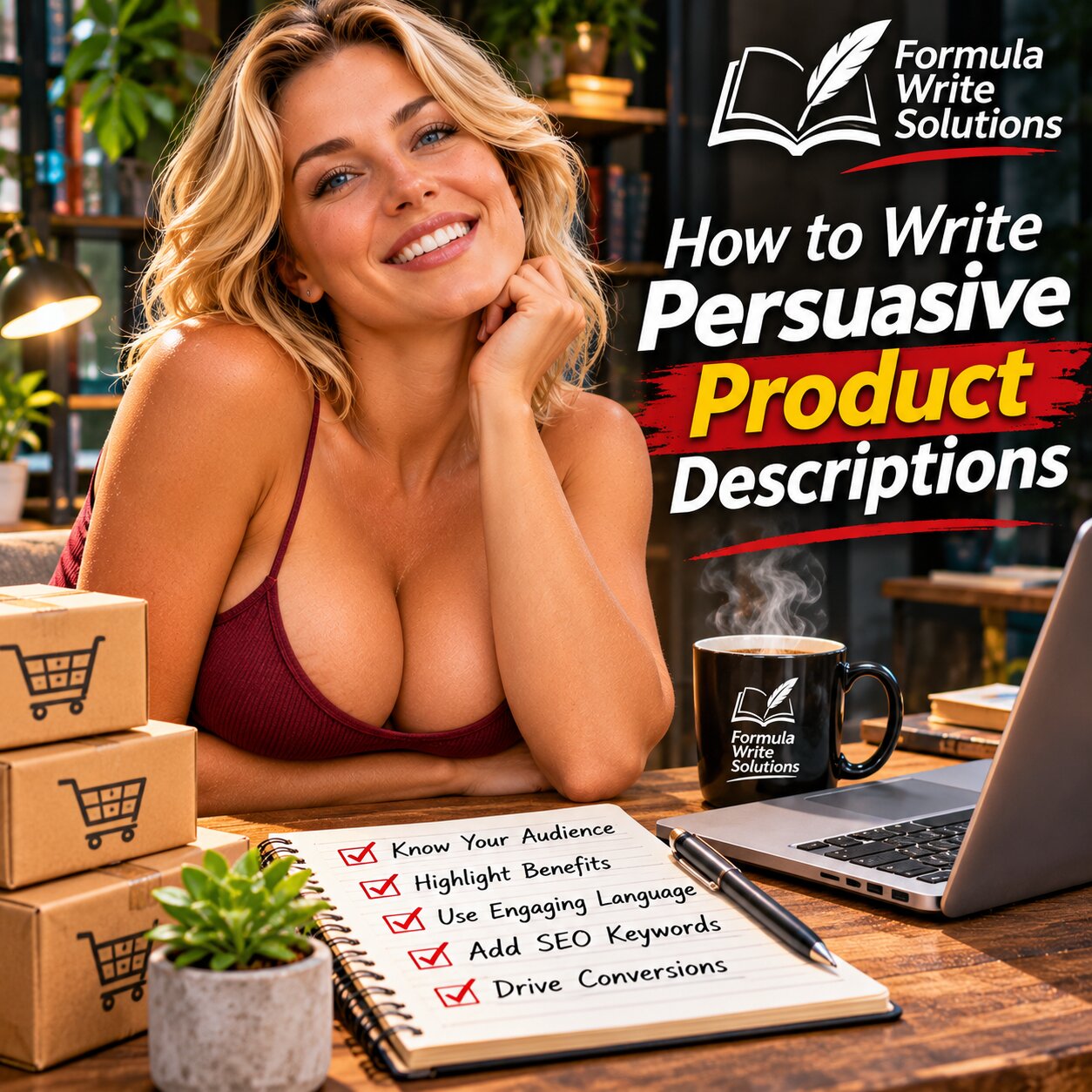
Product descriptions play an important role in helping online shoppers decide whether to make a purchase. Although photographs attract attention, written descriptions explain what a product offers, how it works and why someone might need it. A well-crafted description can transform casual interest into genuine purchasing intent.
However, persuasive product writing involves more than listing specifications and adding enthusiastic adjectives. Businesses must understand their customers, communicate meaningful benefits and provide accurate information that supports confident decisions. The most effective descriptions combine clarity, personality and practical value.
Understanding Your Target Audience
Before writing a product description, businesses should identify the people most likely to purchase the item. Different customers have different priorities, expectations and levels of technical knowledge. Understanding these differences helps writers select appropriate language and emphasise relevant benefits.
For example, someone purchasing a professional camera may want detailed information about sensor performance, lens compatibility and manual controls. A beginner might instead appreciate explanations about ease of use, automatic settings and everyday photography. Both audiences are interested in the same product category, but their purchasing motivations differ.
Customer reviews, frequently asked questions and market research can reveal common concerns. Writers can use these insights to address potential objections before they prevent a purchase.
Focus on Benefits Rather Than Features
Product features describe what an item contains or does, while benefits explain why those characteristics matter to customers. A laptop might feature a high-capacity battery, but the practical benefit is being able to work for extended periods without searching for a power outlet. Connecting features with everyday advantages makes descriptions more persuasive.
This approach is particularly useful when discussing technical products. Instead of overwhelming readers with unfamiliar terminology, writers can explain how individual specifications improve performance, convenience or reliability. Technical details should remain available for customers who need them.
However, benefits must be supported by genuine product capabilities. Exaggerated promises may attract initial attention but can damage customer trust when expectations are not met.
Create Engaging Opening Sentences
The opening sentence should immediately communicate the product’s main appeal. Online shoppers often scan pages quickly, making the first few lines particularly important. A strong introduction identifies the product and highlights a relevant reason to consider purchasing it.
Generic statements such as describing every item as exceptional or revolutionary provide little useful information. More specific introductions are usually stronger because they connect the product with a recognisable need. A description of an insulated travel mug, for example, could begin by highlighting convenient temperature retention during daily commutes.
Writers should also avoid unnecessarily complicated language. Direct, confident wording makes descriptions easier to understand and creates a more professional impression.
Use Sensory and Descriptive Language
Sensory language helps customers imagine using a product before purchasing it. Descriptions of texture, appearance, sound or other relevant qualities can make items feel more tangible. This technique is particularly effective for clothing, furniture, food and lifestyle products.
A description of a cotton blanket might highlight its soft texture, breathable material and comfortable feel during cooler evenings. These details help readers understand the experience the product is intended to provide. However, descriptive language should remain accurate rather than introducing qualities the product does not possess.
The objective is to create a vivid impression without sacrificing useful information. Every descriptive phrase should contribute to the customer’s understanding of the item.
Optimise Product Descriptions for SEO
Search engine optimisation helps potential customers discover product pages through relevant searches. Writers should identify keywords that reflect genuine purchasing intent and incorporate them naturally into titles, headings and descriptions. Product names, materials, sizes and distinguishing features can all contribute to search relevance.
Keyword stuffing should be avoided because repetitive language reduces readability and may undermine search performance. Instead, descriptions should answer the questions customers are likely to ask while providing accurate information about the product.
Unique descriptions are also valuable. Copying manufacturer descriptions across numerous product pages can make it harder for businesses to distinguish their content from competing retailers.
Make Descriptions Easy to Scan
Many online shoppers scan product pages rather than reading every sentence. Clear formatting allows them to identify important information quickly and return to additional details when necessary. Short paragraphs, meaningful headings and concise feature summaries can improve the browsing experience.
Essential specifications should be presented consistently across similar products. Dimensions, materials, compatibility and care instructions are particularly important when these details influence purchasing decisions. Missing information can create uncertainty and increase the likelihood of abandoned purchases.
Mobile readability deserves special consideration because customers frequently browse online shops using smartphones. Descriptions should remain understandable on smaller screens without requiring excessive scrolling through unnecessary text.
Encourage Confident Purchasing Decisions
A persuasive product description should help customers determine whether an item suits their needs. Accurate specifications, realistic benefits and clear explanations reduce uncertainty while supporting informed purchasing decisions. Businesses can strengthen trust by addressing common questions about compatibility, maintenance and intended use.
Calls to action can provide a natural next step, but they should complement rather than replace useful information. Encouraging customers to explore available sizes or compare suitable models may be more helpful than relying exclusively on aggressive sales language.
Ultimately, successful product descriptions combine persuasive writing with genuine customer assistance. When businesses communicate value clearly and accurately, they create stronger opportunities for conversions while building lasting confidence in their products and brands.