

Story beats in screenwriting are the key moments that move a story forward. They are the turning points, decisions, revelations, and escalations that give a screenplay its rhythm and emotional impact.
While screenplay structure defines the overall framework of a story, story beats shape what actually happens within that framework. Understanding story beats in screenwriting helps writers craft scenes that feel purposeful, engaging, and dramatically satisfying.
What are story beats in screenwriting
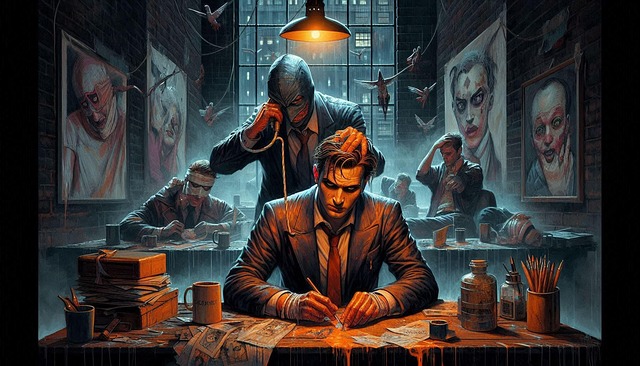
Story beats in screenwriting are the essential narrative moments that mark change. A beat can be a major plot event, such as the inciting incident, or a smaller emotional shift within a scene, such as a character realising something important.
These beats act as signposts for the audience. They guide emotional responses, build tension, and ensure the story continues to evolve rather than stagnate. Without clearly defined story beats, even a well-structured screenplay can feel flat or unfocused.
Major story beats in a screenplay

Most screenplays share a set of common story beats, even if they are presented in different ways. These include the opening setup, inciting incident, first turning point, midpoint, low point, climax, and resolution.
Each of these story beats in screenwriting serves a specific purpose. The inciting incident disrupts the status quo, the midpoint reframes the story’s direction, and the climax forces the protagonist to confront the central conflict head-on. Together, these beats create momentum and narrative cohesion.
Scene-level story beats

Story beats in screenwriting do not only exist at the plot level. Individual scenes also contain beats that reflect shifts in power, emotion, or information between characters.
A single scene may include several smaller beats, such as a confrontation escalating, a plan failing, or a hidden truth being revealed. These micro-beats keep scenes dynamic and prevent dialogue-heavy moments from feeling static or repetitive.
How story beats improve pacing

Effective story beats in screenwriting directly influence pacing. When beats are placed too far apart, a screenplay can feel slow or uneventful. When beats occur too rapidly, the story may feel rushed or overwhelming.
By spacing beats deliberately, writers control the audience’s emotional journey. Well-paced story beats allow moments of tension, release, and reflection, creating a balanced viewing experience that holds attention from start to finish.
Conclusion: Why story beats matter in screenwriting
Story beats in screenwriting are what transform an idea into a compelling cinematic experience. They ensure that every scene contributes to the story’s progression and that characters evolve in response to meaningful events.
For writers aiming to improve their craft, mastering story beats is just as important as understanding structure. Together, they form the backbone of effective screenwriting, guiding stories that resonate emotionally and work successfully on screen.
If you need help developing story beats, feel free to contact us for professional services!